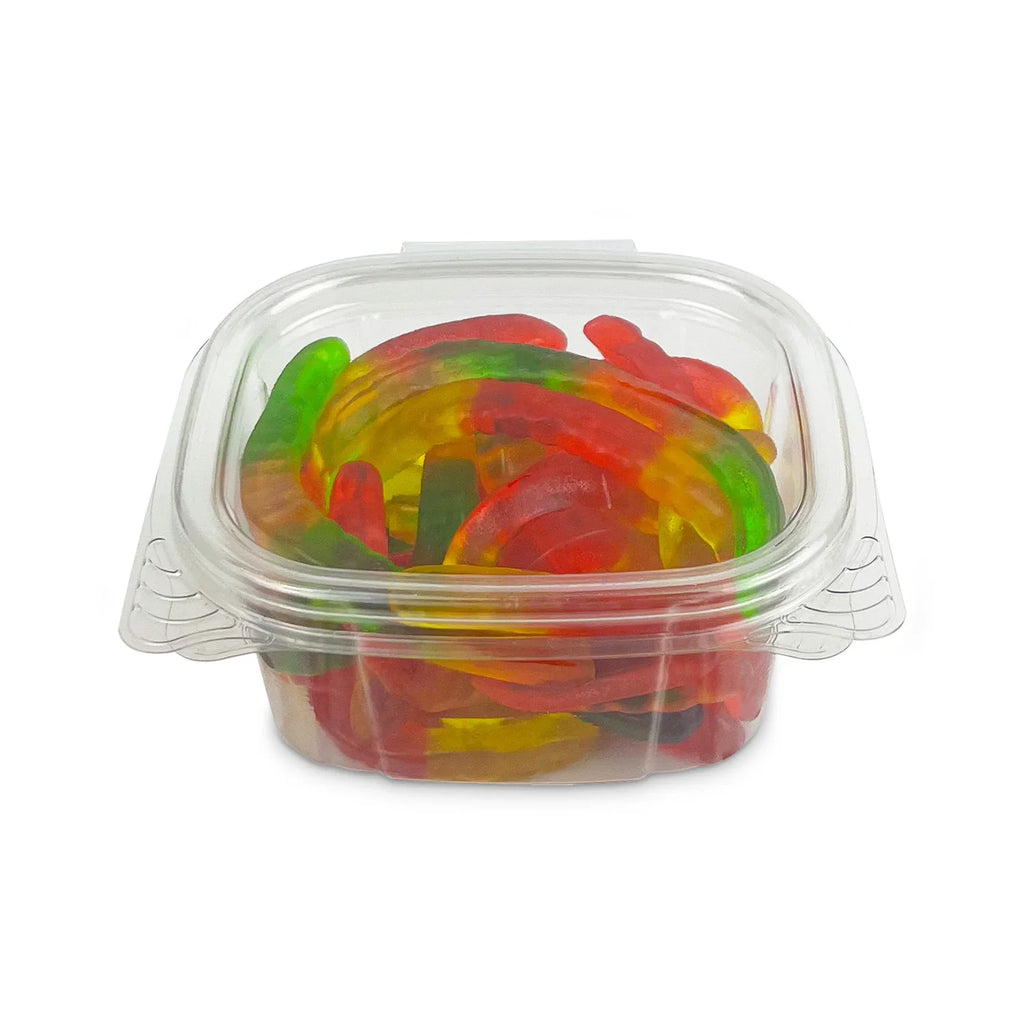
Shop Smart: Your Ultimate Guide to Deli Containers Across Top Online Marketplaces
Deli containers have transcended their humble origins in delicatessens to become an indispensable item in homes, restaurants, catering businesses, and beyond. From meal prepping and leftovers to organizing craft supplies and storing ingredients, these versatile plastic containers offer an unparalleled combination of practicality, durability, and cost-effectiveness. But with a vast array of options available online, navigating the choices of prices, ratings, and brands can feel overwhelming. This comprehensive guide will equip you with the knowledge to make informed decisions, ensuring you find the perfect deli containers to meet your specific needs, whether you're stocking a commercial kitchen or simply streamlining your home pantry.
Why Deli Containers Are Essential for Every Kitchen & Business
The enduring popularity of deli containers stems from their incredible utility. They are not merely simple plastic tubs; they are a cornerstone of efficient food management and organization.
*
Superior Food Preservation: Designed to create an airtight seal, good quality deli containers keep food fresher for longer, reducing waste and preserving flavors. This is crucial for both perishable ingredients and prepared meals.
*
Effortless Meal Prep & Portion Control: For health-conscious individuals or busy families, deli containers are ideal for pre-portioning meals, snacks, and ingredients, making healthy eating and efficient cooking a breeze. Their consistent sizes (e.g., 8oz, 16oz, 32oz) simplify calorie counting and recipe execution.
*
Exceptional Organization: Their uniform shape and stackability are a dream for anyone looking to optimize refrigerator, freezer, or pantry space. Clear containers allow for instant identification of contents, saving time and preventing forgotten items.
*
Durability & Reusability: Many modern deli containers are crafted from robust, food-grade plastics that are designed for multiple uses. They can withstand repeated washing (often dishwasher safe), freezing, and microwaving, offering long-term value.
*
Cost-Effectiveness: Especially when purchased in bulk, deli containers represent an economical solution for food storage compared to many other container types, making them a favorite for businesses and large households alike.
*
Versatility Beyond Food: Don't limit their use to the kitchen! These containers are perfect for organizing small parts, craft supplies, pet food, and even gardening seeds, showcasing their multi-purpose appeal.
Navigating the Online Marketplace: Where to Shop for Deli Containers
When it comes to purchasing deli containers, the online world offers unparalleled convenience and selection. Major e-commerce platforms like Amazon, eBay, and AliExpress stand out as prime destinations, each offering a unique shopping experience shaped by their vendor networks and pricing structures.
*
Amazon: The Go-To for Variety and Speed
Amazon boasts an enormous inventory from countless sellers, ranging from established brands to smaller distributors. You'll find everything from small packs perfect for home use to large bulk cases suitable for commercial operations. Key advantages include competitive pricing, often with Prime shipping for rapid delivery, and a robust customer review system that can guide your choices. Searching for "deli containers" on Amazon typically yields results showing various sizes, quantities, and price points, making it easy to compare at a glance.
*
eBay: Bidding, Bulk, and Niche Finds
eBay offers a diverse landscape, including both new and used items, as well as opportunities to purchase in bulk directly from wholesalers. While you can find standard listings, eBay's auction format can sometimes yield significant savings, particularly for larger quantities. It's also a good place to discover specific brands or less common sizes that might be harder to find elsewhere. Pay close attention to seller ratings and shipping costs on eBay, as they can vary widely.
*
AliExpress: Direct from Manufacturer for Budget Buys
For those prioritizing the absolute lowest prices, especially for bulk purchases, AliExpress is a strong contender. This platform connects buyers directly with manufacturers and suppliers, often based in Asia, leading to highly competitive pricing. The trade-off is typically longer shipping times and sometimes less familiar brand names. If you're planning a large order for a business and can wait for delivery, AliExpress can offer substantial cost savings.
Each of these platforms presents unique benefits, and a savvy shopper will often consult all three to find the best deal. For a more detailed walkthrough on leveraging these sites, check out our guide on
Your Guide to Finding Deli Containers on Amazon, eBay & AliExpress.
Decoding Product Listings: Prices, Ratings, and Brands
Once you've chosen your preferred marketplace, understanding how to evaluate product listings is critical. The details provided (or implied) in the search results – prices, customer ratings, and brand information – are your primary tools for making an informed purchase.
Understanding Prices: Beyond the Sticker Tag
The price of deli containers isn't just a simple number; it's influenced by several factors, and a lower price isn't always the best value.
*
Quantity: Deli containers are almost always cheaper per unit when bought in larger quantities. Bulk packs (e.g., 50-200 containers with lids) offer significant savings compared to smaller retail packs.
*
Material & Quality: Higher-quality plastics designed for heavy-duty use, repeated washing, or specific temperature ranges (e.g., freezer-to-microwave) will command a slightly higher price.
*
Brand Recognition: Well-known brands often have a higher price point due to their established reputation for quality and consistency. Generic or unbranded options can be more budget-friendly.
*
Shipping Costs: Always factor in shipping, especially on platforms like eBay or AliExpress where it's not always free. A cheap product can become expensive with high shipping fees.
Smart Tip: Calculate the "cost per container" by dividing the total price (including shipping) by the number of containers in the pack. This allows for an accurate comparison across different listings and quantities.
Leveraging Ratings & Reviews: Your Quality Compass
Customer ratings and reviews are invaluable. They offer real-world insights into product performance that manufacturers' descriptions might not fully capture.
*
Overall Star Rating: While a high star rating (4.5 stars and above) is a good starting point, it's not the whole story.
*
Read Specific Reviews: Look for comments on common pain points:
*
Lid Seal: Do they seal tightly? Are they prone to leaking?
*
Durability: Do they crack easily when frozen or dropped?
*
Microwave/Dishwasher Safety: Do they warp or melt under heat?
*
Stackability: Do they stack well both when full and empty?
*
Odor Retention: Do they absorb food odors over time?
*
Look for Trends: If multiple reviews mention the same issue (e.g., "lids are brittle"), it's likely a genuine flaw. Conversely, consistent praise for a feature (e.g., "perfect for meal prep") indicates a strong selling point.
*
Consider Verified Purchases: Reviews from "verified purchasers" often carry more weight as they confirm the reviewer bought and used the product.
Brands: Trust and Consistency
While many generic deli containers offer excellent value, considering established brands can provide an extra layer of assurance regarding quality control and consistency. Brands like Gladware (though often thicker), Ziploc (for specific types), or commercial food service brands (e.g., Dart, Fabri-Kal, Solo) often have a reputation for consistent performance. However, don't shy away from lesser-known or generic brands with excellent ratings; many suppliers offer high-quality containers without the brand premium.
Beyond the Basics: Materials, Colors, and Practical Considerations
The "deli containers" umbrella covers a surprising range of specifications that cater to different needs. Diving into these details can significantly impact your satisfaction and the longevity of your purchase.
*
Materials: The Foundation of Performance
Most deli containers are made from food-grade plastics, primarily polypropylene (PP) or polyethylene terephthalate (PET).
*
Polypropylene (PP, Plastic #5): This is the most common material. PP containers are typically microwave-safe, dishwasher-safe (top rack), and freezer-safe. They are durable, crack-resistant, and can withstand a wider range of temperatures. This makes them ideal for reheating leftovers or freezing meals.
*
Polyethylene Terephthalate (PET, Plastic #1): PET containers are often clearer and more rigid than PP. They are excellent for cold storage and presentation but are generally not microwave or dishwasher safe, as they can warp or leach chemicals at higher temperatures. They are more commonly found in single-use deli tubs for salads or cold snacks from grocery stores.
* Always look for labels like "BPA-free," "food-grade," and specific temperature ratings to ensure safety and suitability for your intended use.
*
Colors: Aesthetic vs. Functional
While most deli containers are clear for visibility, you might also find frosted or colored options.
*
Clear: The standard choice, offering immediate visibility of contents, which is great for organization and food rotation.
*
Frosted/Translucent: Offers a slight aesthetic variation while still allowing general content identification.
*
Opaque/Colored: Less common but can be useful for specific purposes, such as branding for a business, or for storing light-sensitive ingredients.
*
Sizes & Shapes: Tailoring to Your Needs
Deli containers come in a standard range of sizes (e.g., 8oz, 12oz, 16oz, 24oz, 32oz), often with interchangeable lids for various capacities within a brand's line. Consider:
*
Portion Control: Smaller sizes for snacks, dressings, or individual meal components.
*
Meal Prep: Mid-range sizes for single-serve meals.
*
Bulk Storage: Larger sizes for ingredients, soups, or family-sized portions.
*
Stackability: Look for designs that allow for secure stacking in refrigerators and freezers, both full and empty.
*
Lids: The Seal of Quality
A good lid is paramount. It should create a tight, leak-proof seal without being overly difficult to open. Many brands offer universal lids that fit multiple container sizes within their range, simplifying storage and reducing lid-hunting frustration.
For a deeper dive into material properties and how colors might play a role in your choice, explore our article
Deli Containers: Exploring Materials & Colors on E-commerce.
Smart Shopping Tips for Deli Containers
Equipped with a solid understanding of deli containers, here are some actionable tips to ensure a successful and satisfying purchase:
1.
Define Your Needs: Before you even start browsing, determine what you'll primarily use the containers for. Daily meal prep? Freezer storage? Catering? This will dictate the required material, durability, and quantity.
2.
Check Dimensions & Capacity Carefully: Don't just rely on the oz/ml capacity. Always check the actual external dimensions, especially if you have limited fridge/freezer space or need them to fit into specific lunch bags or shelves.
3.
Bulk Buy Strategically: If you use them frequently, buying in bulk (e.g., cases of 100 or 200) almost always provides the best value per unit. However, ensure you have sufficient storage space for the unused containers.
4.
Read the Fine Print: Look for specific certifications or claims like "BPA-free," "FDA approved," "NSF certified" (for commercial use), "dishwasher safe," "microwave safe," and "freezer safe." These details are crucial for safety and convenience.
5.
Compare Shipping Costs: This is especially important for heavy or bulky items like large packs of containers. Free shipping can make a slightly higher-priced item cheaper overall than a lower-priced item with hefty shipping.
6.
Leverage Filters: On e-commerce sites, utilize filtering options (e.g., by brand, material, capacity, quantity, price range) to quickly narrow down your choices and find what you need.
7.
Consider Starter Packs: If you're new to deli containers, a mixed pack with various common sizes can be a great way to discover which sizes you use most frequently before committing to large bulk purchases of a single size.
Conclusion
Deli containers are far more than simple plastic tubs; they are a fundamental tool for efficient organization, food preservation, and streamlined living, whether in a bustling commercial kitchen or a busy family home. By understanding the nuances of materials, sizes, and critically, by carefully evaluating prices, brands, and customer ratings across top online marketplaces like Amazon, eBay, and AliExpress, you can confidently navigate the vast selection. Armed with these insights and smart shopping tips, you're now ready to choose the perfect deli containers that offer both exceptional value and uncompromising utility, helping you keep your food fresher, your space tidier, and your life a little simpler.